



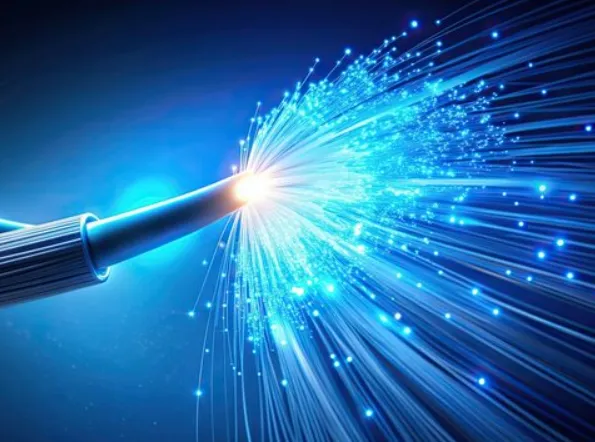
As our digital habits grow—whether through streaming, remote work, smart home devices, or online gaming—the need for fast and stable internet becomes more essential every year. While older copper-based broadband options still exist, fiber optic connections have quickly become the leading choice for homes and businesses that expect high performance. With exceptional speed, strong reliability and long-term scalability, fiber technology is reshaping how we work, communicate and experience the online world.
Exceptional Internet Speeds
The biggest advantage of fiber optic internet is the sheer speed it offers. Instead of sending electrical signals through metal wires, fiber uses light to transport data, allowing information to travel with remarkable efficiency. Many providers offer speeds of 1 Gbps or higher, giving users the ability to download large files in seconds, stream in 4K without buffering and support multiple connected devices with no slowdown. For organisations that depend on cloud platforms, video calls or frequent data transfers, these speeds translate to smoother workflows and improved productivity.
Equal Upload and Download Rates
Most traditional broadband services provide fast downloading but slow uploading, which becomes a bottleneck for tasks such as video calls, file sharing or live streaming. Fiber optic connections solve this by delivering symmetrical speeds. Whether you’re backing up files, participating in virtual meetings or uploading content, everything moves quickly and consistently. For creators, remote workers and online gamers, this provides a much more balanced and dependable experience.
Reliable Performance in All Conditions
Copper cables are sensitive to external interference. Weather, electrical equipment and even nearby power lines can disrupt service. Fiber optic lines, however, are built to resist electromagnetic interference and environmental damage. They don’t corrode, they aren’t affected by temperature shifts and they maintain stable performance throughout the day. For households and businesses that can’t afford interruptions, fiber delivers a level of reliability that traditional broadband struggles to match.
Greater Capacity for Heavy Use
Fiber networks are capable of handling far more data at once than their copper counterparts. That means even during peak usage times—when multiple people are streaming, downloading or gaming—your connection stays fast and responsive. This is especially useful in homes with many smart devices, or in workplaces where large groups rely on internet-dependent tools. With fiber, everyone can stay connected without sacrificing speed.
Low Latency for Real-Time Communication
Latency measures how long it takes for data to travel between two points. High latency causes delays in video calls, online gaming and live broadcasts. Fiber naturally reduces these delays, making real-time communication far more dependable. Whether you’re participating in an important virtual meeting, consulting remotely with a doctor or taking part in competitive online gaming, fiber ensures a smooth, lag-free experience.
Ready for Future Demands
As digital technology continues advancing—from 8K streaming and virtual reality to smart appliances and remote work systems—our internet requirements grow alongside them. Fiber optic networks are built with the future in mind. They can already support multi-gigabit speeds and will continue to adapt as new innovations emerge. Installing fiber now means your home or business stays prepared for whatever comes next.
Stronger Security
Security is a growing concern as more of our personal and professional lives move online. Fiber optic cables offer better protection because they are difficult to tap without detection. Any attempt to interfere with the light signals disrupts the connection, making it easier to identify breaches. This makes fiber an excellent choice for organisations handling confidential information, as well as anyone prioritising secure communication.
Energy Efficient and Environmentally Friendly
Transmitting data via light requires less power than pushing electrical signals through copper wiring. This makes fiber more energy-efficient and cost-effective in the long run. Its durability also reduces the need for frequent replacement, lowering material waste and contributing to more sustainable infrastructure over time.
Consistent Quality Over Long Distances
Copper networks lose signal strength the farther the data has to travel. Fiber maintains its quality over much greater distances, which is particularly valuable for rural communities, large business campuses and educational institutions. Wherever a strong connection is needed across wide areas, fiber provides consistent performance.
Increased Property and Business Appeal
A high-speed fiber connection can enhance a property’s appeal to potential buyers or tenants. For businesses, having a robust internet service supports modern operations, helps teams work more efficiently and strengthens customer-facing services. In both cases, fiber improves value and competitiveness.
Supports Multiple Users Without Strain
Today’s homes often have numerous connected devices running at once—smart TVs, consoles, laptops, tablets and more. Fiber handles this easily, allowing everyone to stream, download and work without interruptions. In shared spaces or busy households, this makes a noticeable difference.
Long Lifespan and Low Maintenance
Fiber optic cables are designed to last. They resist corrosion, heat and wear, meaning they require minimal upkeep compared to older metal wiring. This leads to fewer service calls, less downtime and more consistent performance over the long term.
Final Thoughts
Fiber optic internet offers a powerful upgrade for anyone seeking faster speeds, better reliability and technology that grows with your needs. From stable video calls and smooth streaming to enhanced security and long-term durability, it delivers benefits that traditional broadband can’t match. As the world becomes more connected, fiber stands out as the smartest and most future-ready choice for both homes and businesses.
