



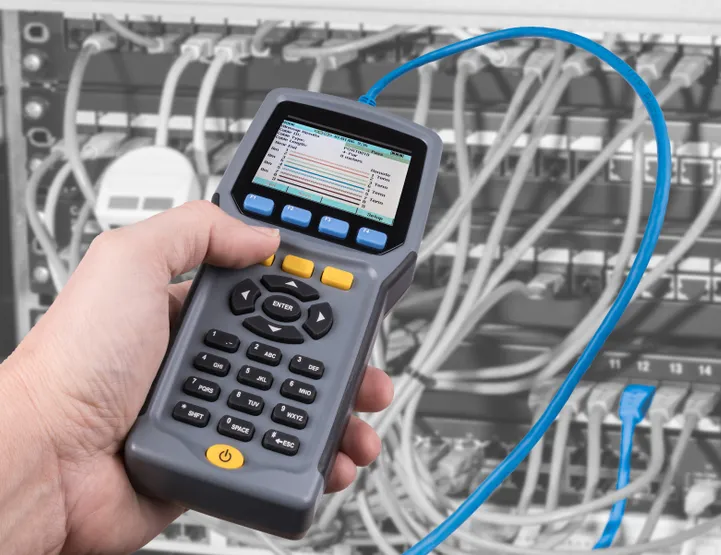
In the modern digital landscape, cables are the backbone of everything from office networks to industrial systems and home entertainment setups. Ensuring that cables—whether fiber optic or copper—are tested correctly is vital for performance, safety, and adherence to industry standards.
However, many technicians make mistakes during the testing process, leading to wasted resources, incorrect results, and potentially compromised network performance. In this blog, we’ll explore the top cable testing mistakes to avoid and provide tips to ensure that your testing procedures are thorough and reliable.
1. Skipping the Visual Inspection
One of the most common errors in cable testing is diving straight into testing without performing a basic visual inspection. Dirt, dust, bends, or visible damage to connectors and cables can significantly skew test results. A simple inspection and cleaning before testing can save valuable time and effort during troubleshooting.
Tip: Always inspect connectors for dirt or corrosion and check cables for visible wear or damage before connecting them to testing equipment.
2. Using Inappropriate Testing Equipment
Each type of cable requires specific testing tools. For instance, fiber optic cables need specialized devices like Optical Time Domain Reflectometers (OTDRs) or optical power meters, while copper cables require network cable testers or certification tools. Using the wrong tool for the job can lead to inaccurate readings or missed faults.
Tip: Ensure that you are using the appropriate tester based on the cable type and the standards you need to meet.
3. Neglecting Equipment Calibration
Even the best testing equipment can deliver faulty results if it hasn’t been properly calibrated. Many technicians overlook this step, but failing to calibrate your testing equipment can undermine the entire process and result in inaccurate data.
Tip: Follow the manufacturer’s guidelines for calibration and keep a record of calibration dates to maintain accuracy.
4. Not Adhering to Industry Standards
Testing cables without referencing the appropriate industry standards (such as TIA/EIA, ISO/IEC, or IEEE) is a critical mistake. Without a clear benchmark, your test results might be meaningless, and your installation could fail to meet necessary compliance requirements.
Tip: Always refer to the relevant standards for your region or project to ensure compliance and reliability.
5. Poor Cable Termination Practices
The quality of cable terminations directly affects the test results. Loose, improperly crimped, or poorly spliced connectors often cause intermittent failures or poor signal quality, leading to misleading test outcomes.
Tip: Use proper tools and techniques when crimping or splicing connectors, and double-check each termination before running tests.
6. Overlooking Environmental Factors
Cables behave differently under various environmental conditions. For instance, extreme temperatures or humidity can impact signal loss in fiber optic cables or increase resistance in copper cables. Testing in controlled conditions might not accurately reflect real-world performance.
Tip: Perform tests in conditions that closely resemble the operational environment, or account for environmental variables when interpreting results.
7. Failing to Label and Document Properly
Skipping proper labeling and documentation during testing can lead to confusion and time wasted when trying to identify issues later. Thoroughly recording test results is essential for future troubleshooting and audits.
Tip: Label all cables clearly and maintain detailed records of each test to track results, spot potential issues, and streamline future maintenance.
8. Rushing Through Tests
In large projects, there is often pressure to test cables quickly. However, rushing through the testing process increases the chances of missing issues or skipping important tests. This can lead to problems down the line once the network is up and running.
Tip: Allocate enough time for a comprehensive and careful testing process. Taking a methodical approach will ultimately save more time than fixing issues after installation.
9. Misinterpreting Test Results
Misreading the data provided by cable testers is a common mistake. For example, failing to understand fiber attenuation results or misinterpreting crosstalk (NEXT) in copper cables can lead to incorrect conclusions about cable performance.
Tip: Ensure that your team is properly trained to interpret the specific metrics for the type of cable being tested. Don’t ignore detailed data, even if the tester indicates a “pass.”
10. Skipping Post-Installation Testing
Sometimes, cables are tested before installation but not retested after deployment. Physical handling during installation, such as bending, pulling, or routing cables through tight spaces, can cause hidden damage that only becomes apparent later.
Tip: Always re-test cables after installation to confirm the integrity of the entire system and ensure no issues were introduced during the process.
Why These Mistakes Matter
Mistakes during cable testing are not just a minor inconvenience—they can have long-term consequences:
- System Downtime: Faulty cables can cause network outages.
- Increased Costs: Retesting, repairs, or replacements can drive up project costs.
- Compliance Failures: Ignoring standards can lead to failed audits or voided warranties.
- Customer Impact: Poor testing practices can harm your reputation and lead to dissatisfied clients.
By avoiding these common mistakes, technicians can improve the reliability of their installations, reduce future maintenance costs, and ensure that their systems meet industry standards.
Best Practices for Successful Cable Testing
To improve your cable testing process, here are a few best practices:
- Train Your Team: Proper training ensures your technicians are familiar with both the equipment and the relevant standards.
- Invest in Quality Tools: Quality testers ensure accurate results and help meet certification standards.
- Use a Checklist: A step-by-step guide can help prevent you from overlooking critical steps.
- Keep Detailed Records: Maintaining clear test documentation is crucial for troubleshooting, audits, and future maintenance.
- Stay Up-to-Date: Standards and technologies evolve, so make sure your team is informed of the latest industry developments.
Conclusion
Cable testing might seem like a straightforward task, but avoiding common mistakes can make a huge difference in ensuring that your network is reliable, safe, and compliant. From skipping pre-testing inspections to misinterpreting results, each error can lead to costly and time-consuming issues. By following best practices and avoiding the pitfalls outlined in this blog, you can improve the accuracy and success of your cable testing efforts, helping you deliver high-quality, dependable installations every time.
