



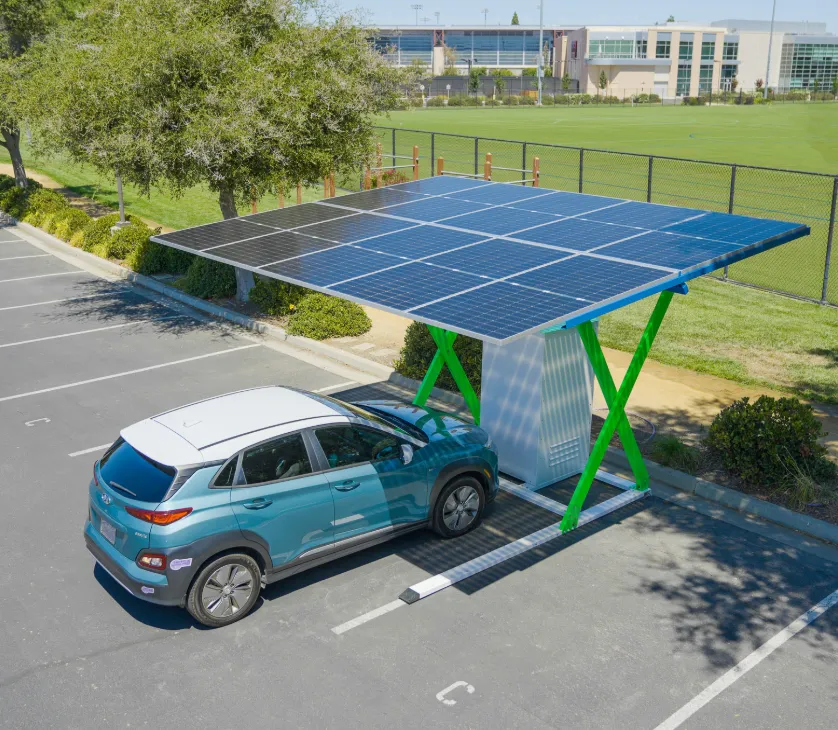
As electric vehicles continue to gain momentum worldwide, charging infrastructure has become a critical part of modern commercial and industrial planning. What was once seen as an optional upgrade has now become a strategic requirement for businesses aiming to stay competitive, sustainable, and future-ready. Whether it’s a retail space, office building, or manufacturing site, offering EV charging can attract customers, support employees, and demonstrate a commitment to environmental responsibility.
In this blog, we’ll take a closer look at some of the best EV charging solutions suitable for commercial and industrial settings, why they matter, and how to choose the right one.
Why EV Charging Matters for Businesses
The number of EV drivers is increasing rapidly, and with more vehicles on the road each year, the need for accessible charging is growing just as fast. For businesses, installing EV chargers offers several advantages—enhanced customer satisfaction, improved employee convenience, and a stronger sustainability profile. Projections suggest that EV adoption in the UK and Ireland will continue to rise steadily through the decade, which means properties equipped with charging stations are likely to see greater demand and long-term value.
Top EV Charging Systems for Commercial Use
Below are several charger models that work particularly well in high-traffic or professional environments, each offering unique benefits for different types of installations.
1. 7.4kW Type 2 Socket Charger
A dependable option for premises with single-phase power. Featuring a common Type 2 socket and built-in load management, it offers reliable performance without overloading the electrical system. RFID access control helps maintain security, and Wi-Fi or LAN connectivity makes remote monitoring simple.
2. Entity 7.4kW Socket Charger with LM 60A
Designed with ease of use in mind, this charger includes advanced load management for balanced power distribution. Its mounting bracket allows quick installation, and it supports multiple communication options such as RFID, Wi-Fi, and 4G—ideal for workplaces seeking a streamlined, user-friendly solution.
3. 7.4kW Charger with 7.5-Metre Tethered Cable
Perfect for public or shared charging spaces, this unit comes with an integrated Type 2 cable so users don’t need to bring their own. Its long tether ensures accessibility, and a companion app allows real-time monitoring and control.
4. SyncEV Wall Charger 2 (7.4kW, Tethered)
A durable charger built for busy commercial locations. Its robust construction, 7.5-metre cable, and IP55 protection rating make it suitable for demanding environments. It also supports solar integration, making it a smart choice for businesses looking to reduce energy consumption.
5. Dual Outlet 22kW Charger (2 x 22kW)
A high-capacity model capable of charging two vehicles simultaneously. Its aluminium housing offers excellent durability, and Ethernet connectivity enables detailed energy tracking. This is an excellent solution for shopping centres, multi-storey car parks, or industrial complexes with heavy traffic.
Key Features to Consider When Choosing a Charger
Selecting the right charger involves more than picking the highest power rating. Here are a few essential factors to evaluate:
Power Requirements
Most EVs use a Type 2 connector, and a 7.4kW charger suits most single-phase systems, delivering about 25–30 miles of range per hour. Locations with three-phase power can benefit from faster 22kW charging, ideal for high-demand areas.
Dynamic Load Management
To avoid electrical overload, choose chargers with built-in load management. Solutions vary depending on your electrical system, but both single-phase and three-phase locations can take advantage of smart load balancing.
Connectivity and Smart Controls
Chargers equipped with Wi-Fi, 4G, or LAN can be managed via apps, enabling scheduling, usage tracking, and user billing. These features make daily operation far more efficient and scalable.
Durability and Weather Protection
Commercial and industrial chargers must withstand consistent use and exposure to the elements. Look for models with strong protective ratings and durable construction.
Essential Safety Features
Quality chargers include protections such as AC and DC leakage detection, and some models offer PME fault detection, eliminating the need for ground rods in certain installations.
Tethered or Untethered: Which Is Better?
Businesses can choose between tethered chargers, which include a fixed cable, or socket-only chargers that require users to provide their own cable.
- Tethered chargers are convenient and user-friendly, especially in workplaces and frequently used sites.
- Socket chargers offer flexibility and compatibility with a wider range of vehicles, making them suitable for mixed-use environments.
Solar Integration and Additional Smart Features
Some chargers, such as the SyncEV model, can be paired with solar systems to reduce reliance on the grid and cut operating costs. Smart features like tariff-based charging and automated scheduling let businesses take advantage of off-peak rates or renewable generation.
Professional Installation Is Essential
EV chargers should always be installed by qualified electricians familiar with industry standards such as the IET Code of Practice. Proper installation ensures safe operation, effective load management, and long-term reliability.
The Future of EV Charging
Innovation in EV charging continues at a rapid pace, with faster charging, improved energy management, and broader renewable integration on the horizon. Businesses that invest in scalable solutions today—such as systems compatible with both single and three-phase setups—will be well-positioned as EV adoption expands.
Conclusion
Investing in EV charging infrastructure is a forward-thinking choice for any commercial or industrial site. From practical 7.4kW units to powerful dual 22kW chargers, there is a solution for every type of facility. Prioritising smart load management, connectivity features, and long-term durability will help ensure your charging setup meets the needs of customers, employees, and the evolving EV landscape.
