



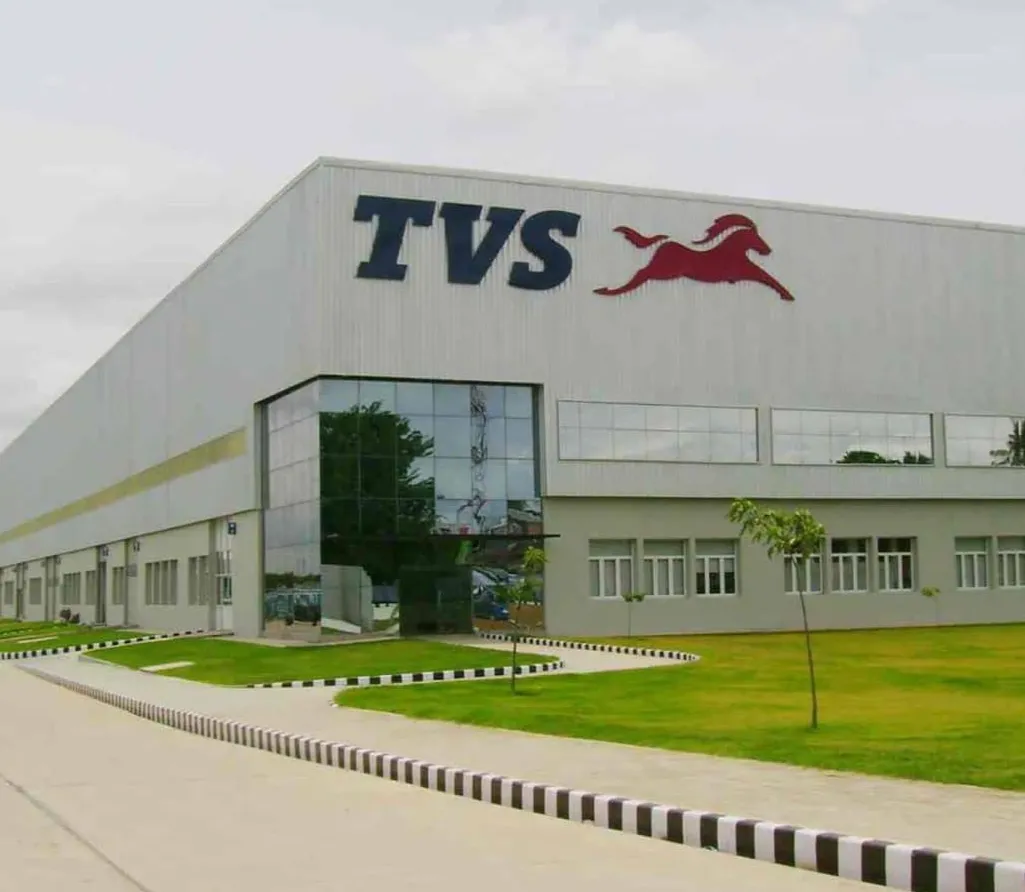
For decades, TVS motorcycles have been a familiar presence on Indian roads, shaping the daily commute of millions. Their reputation for durability and thoughtful engineering hasn’t stayed confined to India either—TVS machines have carved out recognition in several global markets. But this success didn’t happen overnight. The company’s story is rooted in steady innovation, strategic partnerships, and a consistent commitment to meeting the needs of riders. To understand how TVS became one of India’s most respected two-wheeler manufacturers, it’s worth tracing the path that brought the brand to where it stands today.
The journey began with T.V. Sundaram Iyengar, whose initials would eventually form the company’s name. What began as a modest bus service in Delhi under the banner of Sundaram Iyengar and Sons soon expanded into a broader automotive venture. In 1962, the formation of Sundaram Clayton marked a significant step forward. The partnership with Clayton Dewandre Holdings from the UK helped the company enter the world of automotive components, producing brakes, compressors, and related products. By 1978, TVS had established its first vehicle manufacturing facility in Hosur, Tamil Nadu, and two years later introduced India’s first two-seater moped, the TVS 50. The early 1980s opened a new chapter when Sundaram Clayton joined forces with Suzuki Motor Corporation, setting the stage for the TVS-Suzuki era.
That collaboration would go on to define an entire generation of Indian motorcycling. Models like the Suzuki Samurai, Shaolin, Supra, and Shogun became iconic in their own right, blending Japanese engineering with local manufacturing expertise. For nearly two decades, the joint venture dominated the Indian market. When the partnership dissolved in 2001, it created a noticeable void—Suzuki was barred from re-entering India for 30 months, and TVS emerged from the separation with a renewed identity as TVS Motor Company. Rather than slowing down, the company used this transition to diversify and strengthen its lineup, expanding into commuter bikes, scooters, sport-oriented models, and even three-wheelers.
Riding solo opened the door for some remarkable firsts. TVS introduced India’s first domestically developed scooter, the Scooty, and later followed with the country’s first bike featuring Digital Ignition technology, the TVS Champ. The Victor marked another milestone as the first fully indigenous motorcycle. Innovations continued with the Apache RTR, which debuted as India’s first motorcycle equipped with ABS, and the TVS Wego, known for pioneering Body Balance technology.
By the mid-2010s, TVS had entered a new phase, thanks in large part to its racing division. TVS Racing made history in 2015 by becoming the first Indian factory team to take part in the grueling Dakar Rally. Their partnership with France’s Sherco led to the creation of the Sherco TVS Rally Factory Team, which went on to achieve notable success in several international and domestic competitions. With a win record exceeding 90 percent over three decades, TVS Racing has become a powerful symbol of the company’s ambition and capability.
This momentum carried forward in 2020 when TVS made headlines by acquiring the legendary British marque Norton for GBP 16 million. The purchase cemented TVS’s presence on the global stage and signaled its commitment to operating at an international scale. More recently, collaborations with BMW have resulted in a trio of popular models—the TVS Apache RR310, BMW G310R, and BMW G310GS—each sharing a common platform while appealing to different segments of riders.
From its beginnings as a regional transport service to becoming a major player in the global two-wheeler industry, TVS Motor Company has consistently demonstrated adaptability, technical strength, and a deep connection with Indian riders. Its story is far from over, and if the past is any indication, the future promises even more innovation and impact.
