



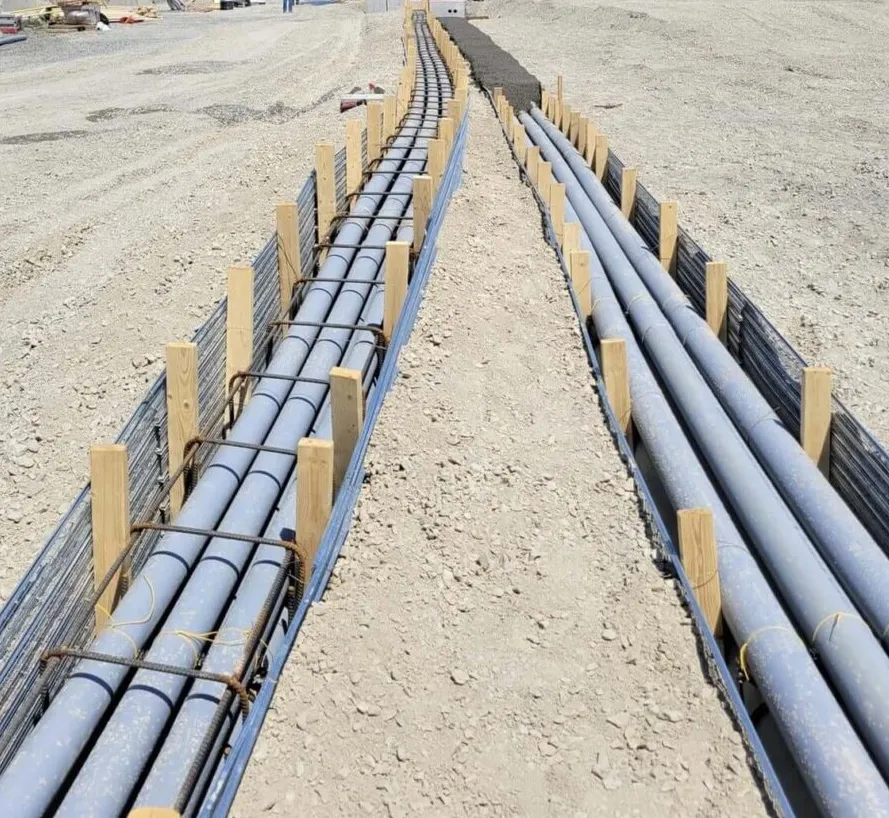
Running electrical wiring below the surface demands careful preparation, durable materials, and strict compliance with safety standards. When underground conduit systems are installed incorrectly, problems such as moisture intrusion, pest damage, and safety hazards can arise. UK regulations, including BS 7671 and guidance from the Health & Safety Executive, emphasise the need for proper protection to ensure long-lasting and hazard-free electrical systems.
This guide breaks down the main conduit types, recommended installation depths, trenching practices, and key considerations to help you complete underground wiring projects confidently and correctly.
Which Types of Conduits Are Designed for Underground Use?
Only certain conduit systems are built to withstand external conditions. While many options work well indoors, underground installations require materials that can resist moisture, soil pressure, and physical impact. Commonly used choices include:
Electrical Metallic Tubing (EMT)
EMT is made from galvanised steel and offers some flexibility. When paired with watertight fittings, it can be used outdoors for lighter applications. However, it requires periodic checks, as its set screws can loosen over time.
Rigid Metal Conduit (RMC)
RMC, manufactured from stainless steel or aluminium, is the most durable option for underground work. It is highly resistant to crushing and corrosion, making it ideal for areas exposed to heavy loads or potential impact. It does, however, require specialised installation tools and has higher upfront costs.
PVC Conduit
PVC is lightweight, corrosion-proof, and easy to install, making it a popular choice for homeowners and general contractors. It performs well when buried at suitable depths and is often preferred for standard residential or light-commercial outdoor wiring.
What Is the Most Suitable Underground Conduit?
The ideal conduit depends on your environment, budget, and the amount of protection needed:
- For maximum durability, RMC buried at a depth of at least 300 mm provides exceptional mechanical strength.
- For straightforward installation with reliable performance, UV-resistant PVC conduit is commonly chosen for gardens, driveways, and light-duty commercial sites.
- For shallow installations or locations with minimal external stress, EMT with watertight connectors may be sufficient.
How to Select the Right Underground Cable Conduit
When comparing conduit options, keep these factors in mind:
Location and Environmental Conditions
Choose conduit materials that can withstand the surrounding conditions—such as moisture-heavy soil, exposure to chemicals, or high-impact areas. Stainless steel and UV-safe PVC offer strong protection in challenging environments.
Cost Versus Longevity
PVC is affordable and easy to install, while metal conduits deliver long-term durability and reduced risk of future repairs. Consider installation time, maintenance, and the likelihood of needing to revisit the site.
Ease of Installation
PVC and EMT require minimal effort compared to rigid metal options. PVC, in particular, is easier to cut, join, and position in curved trenches.
Regulatory Requirements
All underground conduit installations must comply with BS 7671 and local building codes, which set rules for burial depths, conduit ratings, and cable protection.
Recommended Burial Depths for Underground Conduits
The appropriate depth varies depending on the installation location and risk level:
- 150 mm: Suitable for shallow applications in stable or protected ground.
- 300 mm: Common depth for most domestic outdoor wiring.
- 450 mm or deeper: Preferred for commercial environments, detached structures, or areas where future digging is likely.
Conduits should always be installed with proper bedding, such as sand or fine soil, and backfilled with clean granular material to prevent abrasion or collapse.
Where Underground Conduits Are Most Useful
Underground conduit systems serve several purposes beyond basic cable protection:
- They ensure compliance with safety regulations and reduce electrical risks.
- They minimise electromagnetic interference for data or communication cables.
- They keep wiring organised for easier future servicing or upgrades.
- They shield cables from moisture, chemicals, rodents, and unintentional excavation.
Cable Trunking vs. Conduit: What’s the Difference?
Conduits are round pipes—either rigid or flexible—designed to shield cables from external forces, making them suitable for outdoor and underground use. Trunking, on the other hand, is a flat, box-like channel used indoors to route and organise multiple cables. While trunking provides neat cable management, conduits offer the robust mechanical protection necessary for external installations.
Planning, Trenching, and Marking for Safe Installation
Proper planning is essential before beginning any underground wiring project:
Survey and Mapping
Locate all existing buried utilities, including water, gas, and communication lines. Use available utility maps or scanning equipment to produce an accurate layout of the site.
Warning Tape and Locator Systems
Install coloured marker tape or tracer wire above the conduit to alert anyone digging in the area. This simple step helps prevent accidental cable strikes in the future.
Trenching Techniques
- Dig trenches at least 50 mm wider than the conduit.
- Place a layer of soft bedding material beneath the conduit to prevent abrasion.
- Backfill in stages, compacting every 150 mm to avoid sinking over time.
Protection Against Frost and Temperature Changes
In regions with cold winters, place conduits below the frost line—typically between 300–450 mm. Frost-resistant conduit materials may be necessary in extreme climates.
Access Points and Inspection Chambers
Plan for future servicing by adding pull boxes or inspection chambers at key points, such as bends or long straight runs. Ensure the endpoints remain accessible for testing or cable replacement.
Cable Types Suitable for Underground Installation
Use cable types specifically rated for outdoor or underground environments:
- Steel Wire Armoured (SWA) Cable: Offers built-in mechanical protection and is suitable for high-risk or heavy-duty applications.
- Direct-Burial Cables: Designed with additional insulation to withstand moisture and soil conditions.
- Copper Conductors: Preferred over aluminium for their conductivity, durability, and bend-friendly properties during installation.
Maintenance Tips for Long-Lasting Underground Wiring
With the right approach, underground wiring can remain safe and functional for decades:
- Examine access chambers and junction boxes yearly for moisture or signs of animals.
- Retighten fittings and clamps—especially on metallic conduits—to maintain secure connections.
- Use diagnostic tools, such as thermal imaging or continuity testers, to identify cable faults before digging.
Conclusion
A well-planned underground conduit installation enhances safety, protects expensive wiring, and supports future electrical upgrades with minimal disruption. By selecting the right conduit, following proper trenching techniques, and maintaining the system over time, you can achieve a dependable and compliant underground electrical setup that stands the test of time.
