



In today’s hyper-connected economy, the strength of a business lies in how well it stays online, communicates, and adapts to change. Whether you’re managing cloud-based operations, hosting virtual meetings, or transferring massive datasets, one thing is certain — speed and reliability are everything. This is where fiber optic internet transforms from a luxury into a necessity. It delivers the performance, stability, and scalability that modern businesses need to thrive.
Understanding Fiber Optic Technology
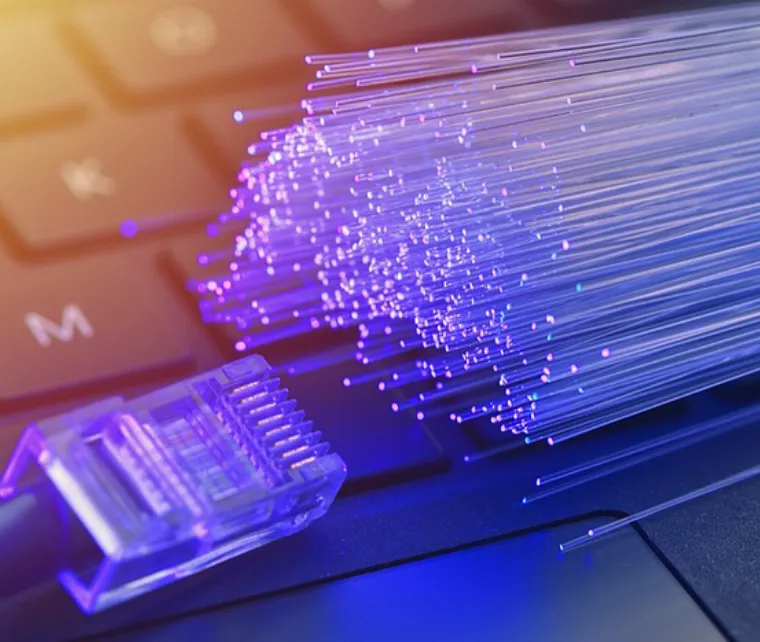
Fiber optic internet transmits data through ultra-thin strands of glass or plastic using light signals. Unlike traditional copper cables that rely on electricity, light transmission enables fiber to move information at nearly the speed of light. This allows companies to experience exceptional bandwidth, minimal delay, and consistent performance — even under heavy workloads.
A single fiber line can carry enormous amounts of data per second, making it ideal for businesses that rely on uninterrupted connectivity.
Why Fiber Optic Connectivity Is the Future
As digital operations expand, the demand for faster and more reliable networks grows. Fiber optic internet stands out because it’s built for long-term scalability and superior performance.
Here’s what makes it indispensable:
- Blazing Speeds: Fiber supports speeds exceeding 1 Gbps, far surpassing traditional DSL or cable.
- High Bandwidth: Multiple users can upload and download large files simultaneously without congestion.
- Low Latency: Real-time communication, video meetings, and cloud computing perform flawlessly.
- Enhanced Reliability: Resistant to electrical interference and weather-related disruptions.
With these strengths, fiber optics keep businesses productive and competitive in an increasingly digital landscape.
Fiber Optic vs. Traditional Connections
Copper-based connections like DSL or cable often struggle to keep up with modern demands. Over long distances, their signal weakens, leading to slower performance. Fiber optics, however, maintain consistent quality regardless of distance or data load.
Comparison at a glance:
- Speed: Light transmission enables far faster data movement.
- Stability: Fiber supports heavy workloads without slowdowns.
- Durability: Fiber is less prone to wear and interference.
- Longevity: Copper cables degrade; fiber remains effective for years.
Switching to fiber isn’t just an upgrade — it’s a long-term infrastructure improvement.
Key Benefits for Businesses
Beyond raw speed, fiber optic internet empowers businesses in many practical ways.
1. Boosted Productivity
Slow connections cause downtime and frustration. With fiber, teams can collaborate on cloud platforms, share large files, and host HD meetings without delays.
2. Seamless Cloud Access
Cloud tools like Microsoft 365, Google Workspace, and CRMs depend on reliable connectivity. Fiber ensures these platforms operate smoothly.
3. Enhanced Data Security
Tapping into fiber cables is significantly harder than hacking copper lines, offering an extra layer of protection for sensitive data.
4. Dependable Remote Work
Hybrid work models demand consistent video and VPN performance. Fiber provides stable bandwidth for distributed teams anywhere.
5. Cost Efficiency Over Time
While installation can be pricier, the long-term savings in maintenance and productivity make it a cost-effective solution.
Enabling Tomorrow’s Technology
Fiber optics are built to support innovation. As emerging technologies evolve, your network must keep up.
- Cloud Computing: Faster access to remote servers and storage.
- IoT Systems: Smooth connectivity for multiple smart devices.
- Artificial Intelligence: Real-time analytics with reduced lag.
- 5G Integration: Fiber serves as the core infrastructure for next-gen mobile networks.
Upgrading to fiber ensures your business is ready for what’s next.
Scalability and Growth
When your business grows, so does your data traffic. Fiber optic networks scale easily — increasing bandwidth is often as simple as adjusting your service plan. Whether expanding teams, integrating new tools, or opening branches, fiber supports growth without the need for new hardware.
Empowering Communication and Collaboration
Communication defines business success. Clear video calls, smooth VoIP conversations, and fast file sharing are now standard expectations. Fiber optics eliminate lag and dropped connections, helping teams collaborate effectively and present a professional image to clients.
Staying Ahead of the Competition
In the digital age, speed equals advantage. Companies equipped with fiber connections can respond to customers faster, operate more efficiently, and make data-driven decisions in real time. This agility builds trust and enhances reputation.
Eco-Friendly Connectivity
Fiber optics are not just high-performing — they’re energy-efficient. Since data travels as light, less electricity is consumed compared to copper networks. Their long lifespan also reduces waste, aligning technology with sustainability goals.
Making the Switch
Transitioning to fiber is simpler than most businesses expect:
- Evaluate your current network for performance issues.
- Consult a trusted provider that offers fiber in your area.
- Plan installation with minimal disruption.
- Test and optimize to ensure maximum benefit post-installation.
Once integrated, the difference in speed and reliability is immediate.
Final Thoughts
Fiber optic internet is more than a connectivity upgrade — it’s a strategic move toward future resilience. It delivers unmatched performance, supports cutting-edge tools, and scales effortlessly with your business growth.
As industries continue to digitize, companies that embrace fiber today are positioning themselves to lead tomorrow. In a world where every second counts, staying connected through fiber optics isn’t just smart — it’s essential.
